Every project starts with an on-page SEO audit of your key pages. On-page SEO improves the pages you already have so they rank higher and turn more visitors into customers. We match each page to the search intent behind its keywords, rewrite titles, headings and copy so the answer comes first, fix internal linking and add structured data. Pages written this way are also easier for AI search tools to quote, which brings citations in AI Overviews and ChatGPT.
Related guide: AEO vs GEO: how to get cited by AI search.
On-Page SEO services we offer
Pick the option that fits your business to see what is included, then order online or ask us on WhatsApp.
Content Optimization
Rewrite key pages to match search intent and answer questions first.
View detailsSchema Markup Implementation
Organization, LocalBusiness, Product, Article and FAQ schema added and validated.
View detailsInternal Linking Optimization
Connect related pages so authority flows to the pages that make money.
View detailsWhat an on-page SEO audit checks
- Search intent: whether the page answers what the searcher wants, whether that is a service, a checklist or a tool.
- Title and H1: the main keyword and the page purpose appear clearly in both.
- Meta description: written to explain the result and earn the click.
- Heading structure: one H1, clear H2 and H3 sections that match the questions people ask.
- Content gaps: missing subtopics, facts and FAQs compared with pages that rank.
- Internal links: links from related pages and tools that pass authority to this page.
- Schema: Service, FAQ or Article markup that matches the content.
What we optimise
- Keyword and intent mapping: one clear primary topic per page, with no two pages competing for the same search.
- Titles and meta descriptions: written to fit on desktop and mobile and to earn the click.
- Headings and structure: question-style headings with a direct answer underneath, short paragraphs and tables where they help.
- Content depth: missing subtopics, facts, examples and FAQs that searchers expect to see.
- Internal links: links from strong pages to the pages you want to rank, with descriptive anchor text.
- Images and media: compressed files, descriptive file names and alt text.
- Schema markup: Article, FAQ, Product, Service or LocalBusiness data where it fits.
Why on-page work gives fast results
On-page changes work with the authority your site already has, so improvements often show within weeks once Google recrawls the pages. Pages sitting in positions 5 to 20 usually gain the most, because a clearer match to intent and a better snippet can lift them onto page one or into the top three, where most clicks happen.
Who it is for
Sites with existing traffic that has stalled, businesses whose service pages are thin or outdated, blogs with many articles that rank on page two, and tool or calculator sites that need supporting content to rank.
How it works
- We pull your Search Console data to find pages with high impressions but low clicks.
- We agree a list of priority pages with you.
- We rewrite and optimise each page, ready for you to review or for us to publish.
- We track rankings and clicks for every updated page and report the changes.
Problems we find most often
On-page SEO is often the fastest win, because it improves pages Google already knows about. These are the problems we fix most often.
- The main keyword never appears in the H1 or the first paragraph.
- More than one H1 on the page, or headings used only for styling.
- Titles over 60 characters that get cut off in search results.
- Two pages targeting the same keyword and competing with each other.
- Important pages with few internal links pointing to them.
What on-page SEO covers
On-page SEO covers the title, description, headings, body text, images, internal links and structured data of each page. The aim is to make the page clear for the visitor and easy to understand for search engines, so the page matches the search it targets.
We start with the pages that already have impressions in Search Console, because small changes to these pages can move them into the top results faster than new content.
Headings and content structure
The H1 should state the main topic in plain words, and each H2 should answer a question the reader has. A logical heading order makes the page easier to scan, and it helps search systems understand which section answers which question.
Body text should cover the topic fully, without padding. We remove repeated sentences and add the missing details that visitors asked for in comments, calls or search queries.
Images, links and schema
Images need descriptive file names and alt text that describes what is shown. Internal links should point to related service or article pages with descriptive anchor text, so the reader has a clear next step.
Structured data is added only when it matches the visible page content, and every change is tested before it goes live.
Pros and cons
On-page SEO improves the content, structure and signals on each page, so it matches what the searcher wants and is easy for Google to read.
Pros
- On-page SEO is within your control, so results come from changes you can make and test.
- Clear titles, headings and content help pages rank for the right searches.
- Relatively low cost when pages already have impressions.
- Improves both search visibility and the reading experience.
Cons
- Keyword stuffing and copied text can harm rankings.
- Optimising a page for the wrong query can lose traffic it already has.
- Changes take several weeks to be re-evaluated by Google.
- On-page work alone cannot make up for weak links or thin content.
What we check on each page
The title, description, H1 and first paragraph, to confirm they match the search intent.
Heading structure, internal links, image alt text and the page’s main answer.
Missing sections, such as pricing, process or FAQs, that the top results include.
How we measure on-page changes
Impressions, clicks and average position for the target query, compared before and after the change.
Frequently asked questions
How quickly does on-page SEO work?
Changes to pages Google already crawls are often picked up within days to a few weeks. Rankings then move as Google re-evaluates the page.
Can I check my own pages first?
Yes. Our free On-Page Content Checker shows length, keyword use, readability and heading problems for any text or page HTML.
Do you rewrite the whole page?
Only when needed. Often a better title, a clear first paragraph, fixed headings and a few internal links are enough.
Recent projects
View all projects →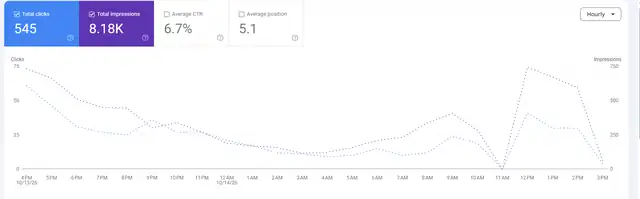
MergeJPG
Image tool website
Clicks 453 → 545 per day, position 6.2 → 5.1
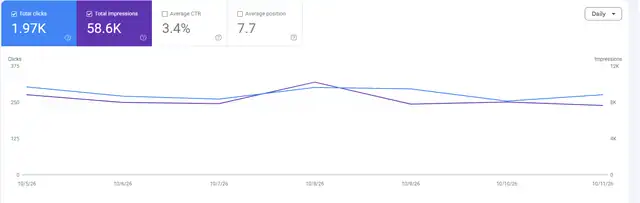
Numerology Name Calculator
Calculator website
1.97K clicks a week at the start; growth plan in progress
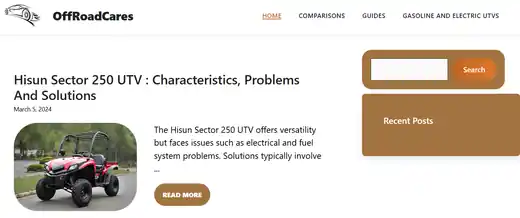
OffRoadCares
Off-road and UTV niche, US
Content refresh and affiliate setup in progress
Check your keyword usage with our free keyword density checker before you publish.